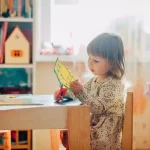


Early childhood is a critical stage for growth and learning. The experiences a child has during these years shape their cognitive, emotional, and social development. Families today are more aware of the importance of structured learning environments. A preschool program provides a foundation that helps children adapt, learn, and explore with confidence. It introduces routines, guided activities, and opportunities to interact with peers, all of which are essential for holistic development.
Cognitive Growth Through A Preschool Program
A preschool program encourages critical thinking and problem-solving from an early age. Activities are designed to spark curiosity, stimulate imagination, and develop basic literacy and numeracy skills. Children are exposed to shapes, colors, letters, and numbers in a playful way. This structured environment strengthens memory and attention spans. By participating in group lessons, children learn to process information and make connections between ideas, which supports lifelong cognitive development. A preschool program sets the stage for strong academic readiness.
Social Skills Development In Preschool Settings
Social interaction is a key part of a child’s early years. A preschool program provides consistent opportunities to interact with peers and teachers. Children learn to share, cooperate, and negotiate, building empathy and respect for others. These experiences enhance communication skills and foster friendships. Understanding social cues and navigating group dynamics becomes second nature. The social lessons learned in preschool help children adapt to future school environments smoothly, demonstrating how a preschool program strengthens early social development.
Emotional Growth And Self-Regulation
Preschool programs also nurture emotional intelligence. Young children learn to identify, express, and manage emotions. Teachers guide children through activities that promote patience, resilience, and problem-solving. Children begin to understand boundaries and develop self-discipline in a structured setting. Emotional support from educators helps reduce anxiety when separating from parents. By fostering confidence and self-awareness, a preschool program becomes a vital space for emotional growth and regulation.
Physical Development And Active Learning
Physical activity is another essential component of early development. A preschool program encourages fine and gross motor skills through activities like drawing, building blocks, and outdoor play. Regular movement improves coordination, balance, and overall health. Active learning experiences make physical exercise fun and purposeful. Children also learn healthy habits early on, which can influence their well-being for years. A preschool program ensures that children grow not just mentally and socially, but physically as well.
Language Acquisition And Communication Skills
Language skills flourish in a preschool environment. Children are exposed to storytelling, songs, and conversation, which enhances vocabulary and pronunciation. Teachers introduce new words and phrases in context, helping children express themselves clearly. Listening skills improve as children follow instructions and participate in group discussions. Early exposure to multiple forms of communication creates confident speakers and attentive listeners. A preschool program provides the ideal environment for language development and effective communication.
Conclusion
Enrolling children in a preschool program offers comprehensive benefits across cognitive, social, emotional, and physical development. These programs provide structured learning, supportive interactions, and opportunities to explore and grow. Children gain confidence, independence, and essential skills that prepare them for the challenges of formal schooling